
Beginner route
Prison Escape Journey 3D Beginner Guide
A productive first run is not about digging for as long as possible. It is about returning with useful resources, enough energy to stay in control, and a clear reason for the next upgrade. This guide follows the mechanics described by the official Sprigame listing and marks details that can change between versions.
What you will decide
- +Verify that you are playing Prison Escape Journey 3D by Sprigame.
- +Plan each underground trip around stamina, energy, bag space, and the current objective.
- +Keep task items until you know they are not needed for a trade or unlock.
- +Upgrade the bottleneck that ends the current run instead of buying everything evenly.
1. Confirm the exact game before using a guide
Several prison escape games use similar names. Prison Escape Journey 3D is the Sprigame mobile simulation whose official description focuses on prison routines, underground digging, resources, inmate trading, equipment upgrades, stamina, energy, and guard suspicion. It is not the Hype Game LLC desktop puzzle called Prison Escape, and it is not Prison Master: Escape Journey from XGame VN.
Open the official listing and check the developer when a video or article gives a route that does not match your screen. A guide that starts with a toilet passage, Rhino, a safe, and a silencer is explaining the other CrazyGames title. Mixing those steps into Journey 3D creates a dead end before the player has even begun.
2. Treat the first dig as a measurement run
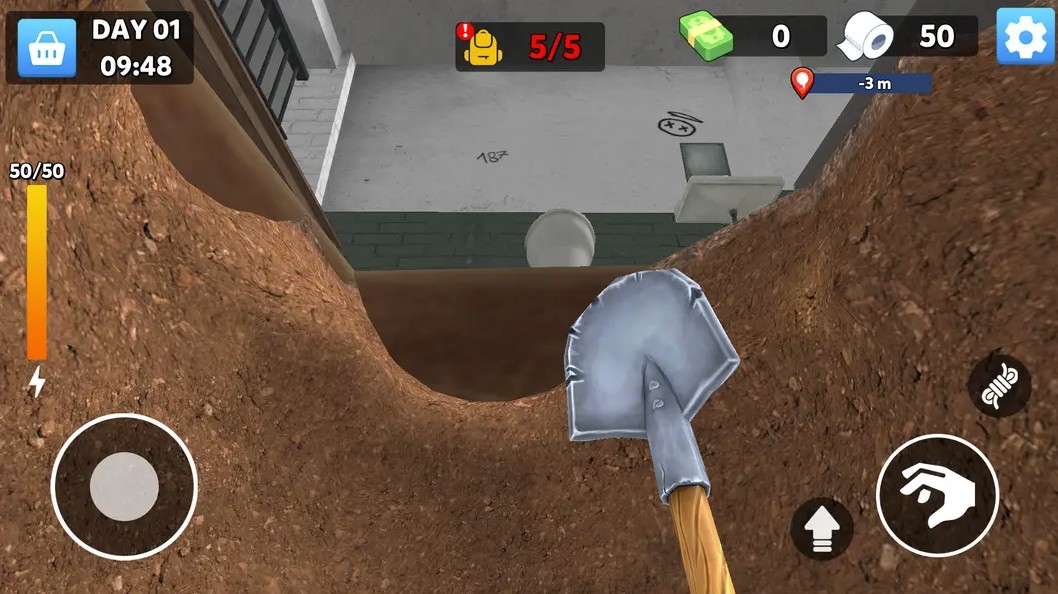
The first underground trip should answer three questions: how quickly the current tool opens ground, how fast stamina or energy falls, and how much the bag can hold. Do not judge the shovel only by its animation speed. A faster tool has limited value if the bag fills after a few useful finds or if energy forces an early return.
Return before every meter is empty. Keeping a margin makes it easier to learn the route and protects a valuable haul from a rushed final action. When the session ends, write down the actual cause: slow digging, no capacity, weak visibility, low energy, or a task requirement. That cause determines the next useful investment.
3. Sort items before selling or trading
The official description explicitly includes rare items, resources, hidden treasures, and secret trading with other inmates. That means an item can have more than one use. Separate confirmed task items, likely upgrade resources, trade goods, and obvious surplus before converting anything.
A simple rule is to keep the first copy of an unfamiliar item until its purpose is clear. Sell duplicates only when the next objective does not request them and no current trade needs them. This approach is slower than selling everything immediately, but it prevents the more expensive mistake of having to rediscover a scarce item later.
- +Task item: keep until the related objective is complete.
- +Upgrade material: reserve enough for the next planned tool improvement.
- +Trade good: compare the offered progression value with its direct sale value.
- +Surplus duplicate: safest category to convert when inventory pressure is high.
4. Manage stamina, energy, and bag space together
These three limits create one trip budget. Stamina or energy controls how long the player can work; bag capacity controls how much of that work can be carried home. Improving only one limit can move the bottleneck without increasing the value of the run.
If the bag fills while energy remains, prioritize capacity or take a shorter, more selective route. If energy ends with empty slots, improve the relevant endurance system or shorten the route until the tool is stronger. If both remain but progress is slow, the shovel is the clearer upgrade. Recheck after every purchase rather than following a fixed universal order.
5. Keep the escape plan quiet
The official listing says guards can become suspicious, but it does not publish one permanent patrol schedule for every version. Use the current in-game warning and routine instead of copying an exact timing from an old video. Complete surface tasks and prison routines when the game requires them, and avoid staying underground beyond the point where the return becomes risky.
Version-specific guard behavior should always be labeled with the build in which it was observed. The stable lesson is broader: prepare before digging, return with a margin, and do not expose the same hidden activity repeatedly when suspicion is already elevated.
6. Build a repeatable progression cycle
A reliable cycle is: check objective, clear inventory, enter the tunnel, collect selectively, return with margin, sort items, complete a trade or upgrade, and then measure the next run. This sequence turns each trip into evidence for the next decision instead of a random search for loot.
When an update changes prices or item locations, the cycle still works because it depends on current bottlenecks rather than a memorized number. Use the tools guide for a more detailed shovel, bag, and light comparison, and return to the official listing when a feature shown in the game is not yet covered here.
7. Recheck the run after an update
When the game updates, repeat one short measurement run before following an older route. Confirm the visible objective, the first inventory limit, the current energy behavior, and whether a familiar trade still asks for the same item. These four checks reveal most changes that can make a saved checklist unreliable.
Separate what you directly observed from what a video or guide claims. A dated route can still suggest a useful method, but current in-game text should control decisions about item use, prices, unlocks, and guard behavior. This keeps the next trip efficient without turning version-sensitive details into permanent promises.
- +Check the current objective before entering the tunnel.
- +Confirm which meter or capacity ends the first normal trip.
- +Verify trade and upgrade requirements in the current interface.
- +Record the date or build when sharing a route with another player.
Continue the cluster
Prison Escape Journey Tools and Upgrades GuideCompare shovel, bag, and light upgrades in Prison Escape Journey 3D and choose the next investment from the bottleneck ending each tunnel run.
Primary source
Official Google Play listingVerify the developer, availability, current update, and store description before relying on a version-sensitive detail.