
Upgrade decisions
Prison Escape Journey Tools and Upgrades Guide
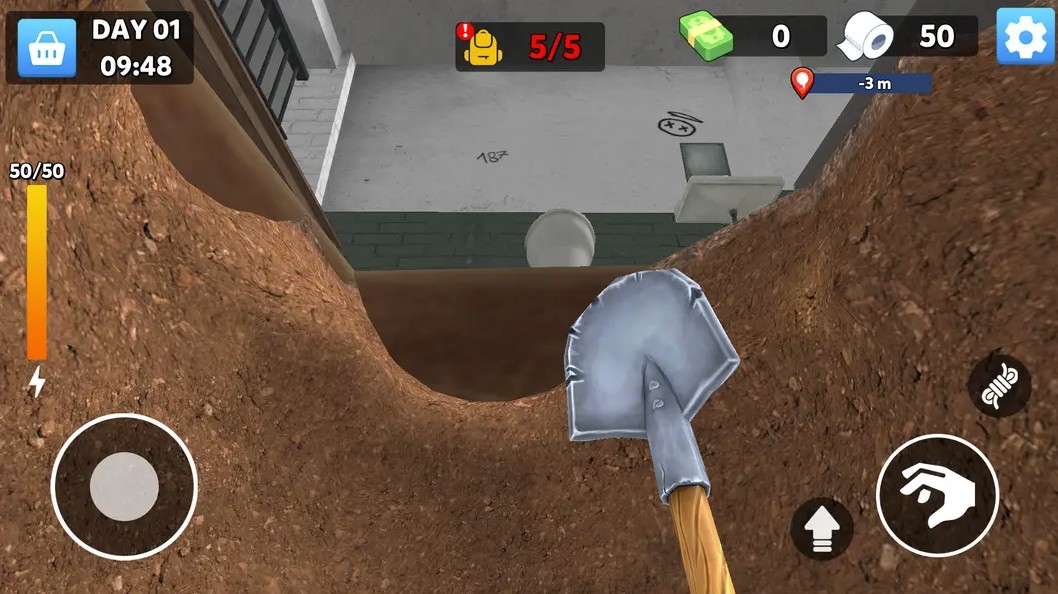
The best next upgrade is the one that removes the limit currently wasting the most time or resources. The official game description names better shovels, bigger bags, and brighter lights. It does not establish one permanent best order for every version, so this guide uses observable bottlenecks instead of unsupported price or level claims.
What you will decide
- +Shovel upgrades improve the part of the loop spent opening ground.
- +Bag upgrades extend trips only when capacity fills before stamina or energy ends.
- +Light upgrades matter when visibility blocks deeper, more valuable routes.
- +Re-measure after every purchase because the bottleneck can move immediately.
Shovel: buy speed when digging is the real delay
A stronger shovel is the obvious choice when the current dig action consumes most of the trip and the player returns with unused bag space. Faster progress can reduce time exposed underground and reach resource layers sooner. It is especially valuable when an objective is gated by depth rather than by item count.
Do not assume the shovel is always first. If the bag fills almost immediately, faster digging only fills it sooner. If energy ends before the tool has time to create value, endurance or a shorter route may matter more. Compare the share of the run spent digging with the share lost to other limits.
Bag: buy capacity when good items are left behind
A bigger bag improves a trip when the player repeatedly abandons useful finds or returns early with stamina still available. Capacity has compounding value because it can carry task items, trade goods, and upgrade resources during the same journey.
Bag space is not useful when the player cannot reach enough resources to fill it. Before upgrading, complete one normal run and note whether the last few slots forced a decision. If there was still comfortable room, spend elsewhere and revisit capacity after unlocking a denser resource area.
Light: buy visibility when deeper routes become the limit
The official listing names lights among the equipment that supports deeper tunnels. A light upgrade is justified when poor visibility slows route reading, hides useful resources, or makes a deeper zone impractical. It is a progression tool, not merely a cosmetic choice.
Delay the light when the current area remains clear and the session ends for another reason. If the shovel is slow or the bag fills first, visibility is not yet the main constraint. Re-evaluate as soon as a newly unlocked area changes the underground environment.
Use a three-run test instead of a universal tier list
Run the same general route three times. On each trip, record the first limiting event: tool too slow, bag full, poor visibility, stamina empty, energy empty, or objective complete. The most frequent limit is the next upgrade candidate. This small sample is more reliable than a tier list written for a different build or progression stage.
After buying the upgrade, repeat the test. If the bag now fills before energy ends, the purchase worked and moved the bottleneck. If nothing changed, the route or item selection may be the real problem. Optimization should improve completed objectives and useful resources per trip, not just one visible stat.
- +Trip 1: play normally and record the first limit.
- +Trip 2: take a more selective route and record the first limit.
- +Trip 3: repeat the stronger route to confirm the pattern.
- +Upgrade once, then test again before spending on another category.
Protect resources from version drift
Prices, unlock levels, event rewards, and item locations can change. Do not spend based on a screenshot that lacks a date or version. Check the current in-game panel, compare the cost with the next objective, and keep enough resources for a required trade when possible.
This guide intentionally avoids fixed costs and claims about a single best tool. Stable mechanics can support a lasting decision framework, while exact numbers need fresh verification. That distinction keeps the page useful after an update instead of turning it into a list of expired values.
Recommended priority by situation
Choose the shovel when the route is visible, the bag has room, and progress is still slow. Choose the bag when useful items are left behind while energy remains. Choose the light when a deeper zone is the next progression gate and visibility is the main obstacle. If stamina or energy ends first, improve the relevant system when available or shorten the trip before buying unrelated equipment.
Return to the beginner guide for item sorting, trading, and the complete session loop. Use the official listing to confirm current availability and developer identity, and treat any unsupported web embed as a different game until proven otherwise.
A practical upgrade worksheet
Before spending, write one sentence in this format: “My run ends because ___ while ___ is still available.” If the bag is full while energy remains, capacity is the candidate. If energy is empty while the bag has room, a bigger bag will not solve the actual problem. If both remain but digging progress is slow, compare the shovel with a shorter route before buying.
Then define a result that the purchase should improve. Useful results include one more task item carried home, a deeper route reached with a return margin, fewer abandoned resources, or a completed objective in fewer trips. If the next run does not improve that result, stop stacking the same upgrade and inspect route choice, item selection, or a different system.
This worksheet also protects against update drift. It does not depend on a fixed price, level number, or claimed best item. The player can repeat the same observation after a balance change and make a current decision from the version actually installed.
Continue the cluster
Prison Escape Journey 3D Beginner GuideA source-aware beginner route for digging, stamina, bag space, item sorting, inmate trading, guard suspicion, and early Prison Escape Journey 3D upgrades.
Primary source
Official Google Play listingVerify the developer, availability, current update, and store description before relying on a version-sensitive detail.